

Alamut Valley Iran: Nature, Villages, Ovan Lake & Things to Do
Alamut Valley Iran: Nature, Villages, Ovan Lake & Things to Do
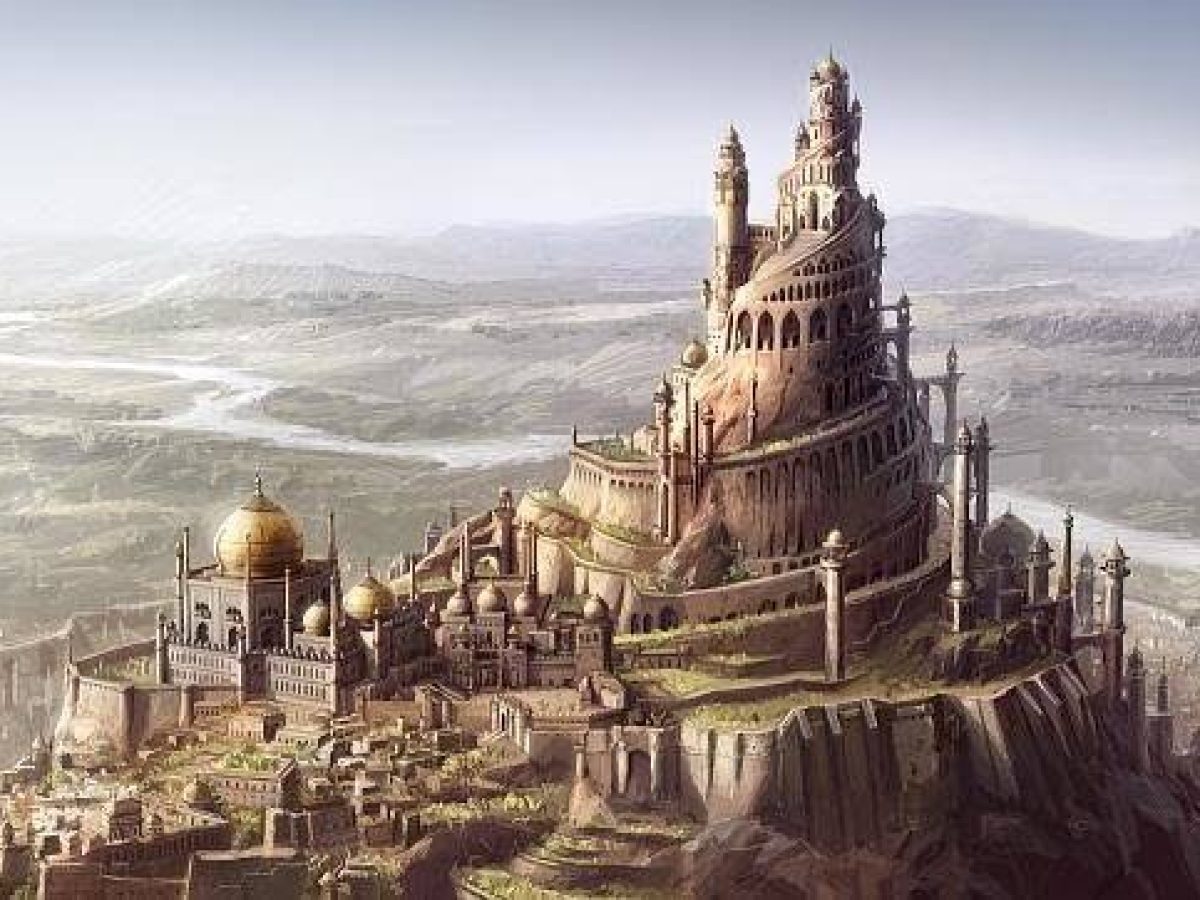
When travelers hear the name Alamut, they often imagine a dramatic medieval castle perched high above the mountains.
But the real Alamut is much larger than its famous fortress.
Alamut Valley in Iran is a spectacular mountain region in Qazvin Province, surrounded by the rugged peaks of the Alborz Mountains. Its landscape combines ancient fortresses, mountain villages, agricultural lands, rivers, springs, alpine scenery, and one of northern Iran’s most beautiful natural attractions: Ovan Lake.
The valley is also home to the newly inscribed Alamūt Castle and Related Fortifications, which UNESCO added to the World Heritage List in 2026. The serial property includes seven fortifications distributed across the Alamut landscape and reflects the historical organization and cultural significance of the Nizari Ismaili community.
For travelers, this means Alamut offers something beyond a historical castle.
It is a destination where history, mountains, nature, rural life, archaeology, and adventure come together.
Where Is Alamut Valley?
Alamut Valley is located in Qazvin Province in northern Iran, within the Alborz Mountain range and south of the Caspian Sea.
The region historically known as Alamut is a mountainous and relatively isolated area. Encyclopaedia Iranica describes Alamut as a high valley in the Alborz, northeast of Qazvin, historically associated with an autonomous Ismaili state and numerous mountain fortresses.
Today, the valley can be reached from Qazvin by road, although the mountainous terrain means that the journey is much longer in character than the distance on a map might suggest.
The wider Alamut region contains numerous villages, agricultural lands, mountains, waterways, and archaeological sites.
This combination of natural and cultural features is what makes the area particularly interesting for travelers.
Why Is Alamut Valley Famous?
Alamut Valley is famous for several reasons.
1. Alamut Castle
The most recognizable landmark is Alamut Castle, the historic stronghold associated with Hassan Sabbah and the Nizari Ismailis.
The fortress stands on a dramatic rocky elevation at approximately 2,163 meters above sea level, around 220 meters above the surrounding landscape.
2. The UNESCO World Heritage Site
In 2026, Alamut Castle and six associated fortifications were inscribed as a UNESCO World Heritage property.
The seven components are:
- Alamut Castle
- Lambesar Castle
- Navizarshah Castle
- Shams Kelayeh Fortification
- Qostinlar Fortification
- Shirkouh Fortification
- Ilan Fortification
Together, they form a coordinated fortified system distributed throughout the Alamut Valley.
3. Ovan Lake
Ovan Lake, also known as Evan Lake in some English-language sources, is one of the best-known natural attractions in the Alamut region.
The alpine lake sits at approximately 1,815 meters above sea level and is surrounded by mountains and vegetation. IranParadise describes it as a national natural heritage site and one of the region’s important attractions.
4. Mountain Landscapes
The Alamut Valley is surrounded by rugged mountain terrain, creating dramatic scenery throughout the region.
The mountains were historically important for defense, but today they also attract hikers, photographers, nature lovers, and travelers looking for less-developed destinations in Iran.
Alamut Valley: Where History Meets Nature
One of the most remarkable characteristics of Alamut is the way its natural environment and human history are connected.
The mountains were not simply a beautiful background to the castles.
They were fundamental to the way the region developed.
Steep slopes and narrow valleys offered natural protection. Water resources supported settlements and agriculture. Mountain passes influenced travel and communication.
The fortifications were built into this landscape rather than separated from it.
UNESCO’s 2026 evaluation describes the seven components as a visually and structurally connected fortified system within the natural defensive territory of the Alamut region. The wider area contains villages, fields, agricultural land, and abundant water resources.
This is one of the reasons Alamut feels different from many conventional historical destinations.
The landscape itself helps explain the history.
Alamut Castle
The Most Famous Landmark in the Valley
No visit to Alamut Valley would be complete without learning about Alamut Castle.
The fortress became the headquarters of the Nizari Ismaili state after Hassan Sabbah captured it in 1090.
From the late 11th century through the mid-13th century, Alamut functioned as a political, religious, administrative, military, and intellectual center.
Today, visitors see archaeological remains rather than an intact medieval castle.
The surviving walls, defensive structures, rock-cut features, and traces of water and food-supply systems help reveal how the fortress functioned.
But the surrounding views are equally important.
From the elevated ruins, the scale and geography of the Alamut landscape become immediately apparent.
The Seven Fortifications of Alamut
Alamut Castle was never an isolated fortress.
The UNESCO property now officially recognizes a network of seven components.
Alamut Castle
The central and most famous fortress, associated with Hassan Sabbah and the Nizari Ismaili state.
Lambesar Castle
One of the major strongholds associated with the Alamut network.
Navizarshah Castle
A strategically positioned fortification within the mountainous region.
Shams Kelayeh Fortification
One of the associated defensive sites forming part of the wider network.
Qostinlar Fortification
Another component of the serial UNESCO property.
Shirkouh Fortification
A strategically located fortification integrated into the Alamut landscape.
Ilan Fortification
The seventh component, completing the UNESCO-recognized network.
The UNESCO designation is significant precisely because it recognizes these sites together, rather than treating Alamut Castle as an isolated monument.
For a detailed look at each component, see our guide to the Seven Fortifications of Alamut.
 Ovan Lake: The Natural Highlight of Alamut Valley
 Ovan Lake: The Natural Highlight of Alamut Valley
A Mountain Lake Surrounded by the Alborz
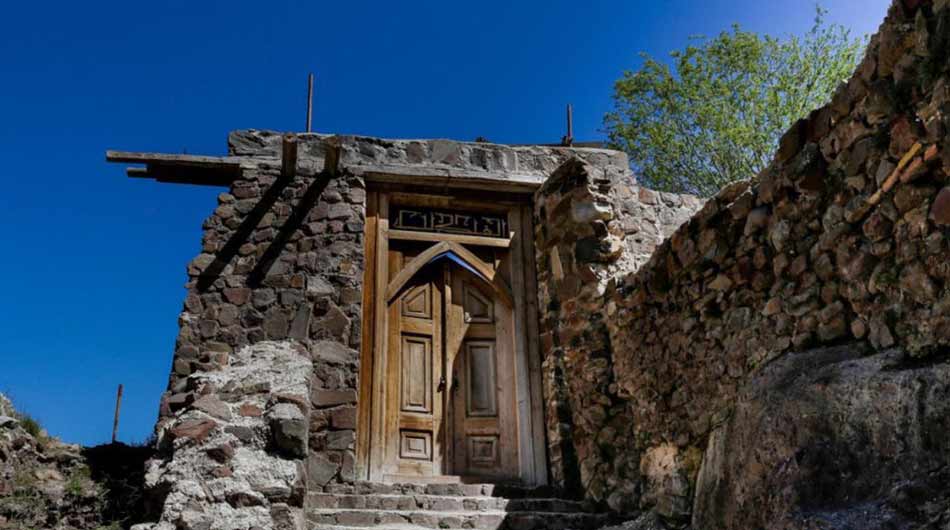
For travelers who want to combine history with nature, Ovan Lake is one of the most attractive places to add to an Alamut itinerary.
The lake is located in the Alamut region at an elevation of around 1,815 meters.
Its water comes from rainfall, the Ovan stream, and springs emerging from the lakebed. The surrounding mountains and vegetation create a landscape very different from Iran’s better-known desert and urban destinations.
The lake is particularly attractive for:
- Landscape photography
- Nature walks
- Relaxing in a mountain environment
- Picnicking
- Stargazing
- Combining nature with an Alamut historical tour
Because of its mountain location, weather and road conditions can vary considerably by season.
Villages of Alamut Valley
The villages of Alamut are an important part of the destination.
Travelers often focus so much on Alamut Castle that they overlook the communities and agricultural landscapes surrounding the archaeological sites.
The wider region includes numerous villages distributed throughout the valleys and mountain slopes.
Traditional agriculture, local roads, mountain landscapes, and rural architecture provide a glimpse into a side of Iran that is very different from Tehran, Isfahan, or Shiraz.
UNESCO’s evaluation specifically notes that the broader Alamut region contains numerous villages, fields, agricultural land, and water resources surrounding the fortified sites.
For photographers and slow travelers, simply driving through the valley and stopping at suitable viewpoints can be part of the experience.
The Natural Landscape of Alamut
The landscape of Alamut is shaped by the Alborz Mountains.
The region contains:
- High mountain ridges
- Deep valleys
- Rocky slopes
- Agricultural land
- Streams and springs
- Mountain lakes
- Remote villages
- Dramatic viewpoints
The geography also explains the historical importance of the region.
Alamut’s isolation made access difficult for centuries. Encyclopaedia Iranica notes that the valley was surrounded by mountains and that access historically involved narrow gorges and difficult routes.
The same geography that once protected medieval fortresses now gives travelers spectacular mountain scenery.
Things to Do in Alamut Valley
1. Visit Alamut Castle
The obvious starting point is Alamut Castle.
Explore the archaeological remains, study the defensive layout, and take time to appreciate the landscape around the fortress.
2. Visit Ovan Lake
Combine history with nature by adding Ovan Lake to your itinerary.
The lake provides a peaceful contrast to the dramatic ruins of Alamut Castle.
3. Explore the Alamut Landscape
Do not rush directly from Qazvin to the castle and back.
The journey through the valley is part of the experience.
Mountain roads, villages, agricultural areas, and viewpoints reveal a different side of northern Iran.
4. Explore Other Alamut Fortifications
Travelers with a strong interest in archaeology can explore the wider UNESCO property.
However, the seven sites are not equally developed as conventional tourist attractions.
Some are remote archaeological remains, so visiting multiple components requires more planning and local knowledge.
5. Photography
Alamut is particularly attractive for landscape photographers.
The combination of ancient ruins and dramatic mountains creates opportunities for both architectural and landscape photography.
Early morning and late afternoon can provide especially interesting light across the mountains.
6. Hiking and Outdoor Activities
The mountainous terrain makes Alamut attractive for travelers interested in walking and outdoor exploration.
However, hiking routes vary in difficulty, and travelers should not assume that every archaeological site has a maintained tourist trail.
For remote areas, local guidance is strongly recommended.
7. Stargazing
The relatively remote mountain environment around Ovan Lake and parts of the Alamut region can offer excellent conditions for observing the night sky when weather and local conditions are suitable.
IranParadise notes the low light pollution around Ovan Lake as one of its attractions for night-sky observation.
How Many Days Do You Need in Alamut?
The answer depends on what you want to experience.
One Day
A one-day trip can work for travelers primarily interested in Alamut Castle.
However, the mountain journey can make the day relatively long.
Two Days
Two days provide considerably more flexibility.
A possible itinerary could include:
Day 1: Qazvin → Alamut Valley → Alamut Castle → overnight in the region
Day 2: Ovan Lake → mountain landscapes → additional historical sites → return toward Qazvin
Three Days or More
A longer trip is ideal for travelers interested in archaeology, photography, hiking, villages, and multiple fortifications.
It also allows more flexibility if weather or road conditions change.
How to Get to Alamut Valley
From Qazvin
Qazvin is the natural gateway for most journeys into Alamut Valley.
The route takes travelers from the city into increasingly mountainous terrain.
Although modern roads have made access easier than it was historically, Alamut remains a mountain destination rather than a conventional urban tourist attraction.
Encyclopaedia Iranica records the historical difficulty of reaching the valley because of its surrounding mountains and narrow gorges.
For international travelers, private transportation can make the journey substantially easier because it provides flexibility for stops and for combining several destinations.
Can You Visit Alamut Valley Without a Car?
It is possible to reach parts of the Alamut region using public transportation and local transport, but independent travel becomes more complicated as you move deeper into the valley.
The biggest challenge is not simply reaching Qazvin.
It is moving efficiently between scattered villages, archaeological sites, viewpoints, and natural attractions.
For travelers who want to visit Alamut Castle, Ovan Lake, and additional sites during the same trip, arranging private transportation or a local tour can be much more practical.
Best Time to Visit Alamut Valley
The best time depends on your priorities.
Spring
Spring can be an excellent season for travelers who want greener landscapes, moderate temperatures, and mountain scenery.
Summer
Summer is popular for mountain travel and outdoor activities.
The higher elevations around Alamut and Ovan Lake can provide a welcome contrast to hotter lowland areas.
Autumn
Autumn can bring cooler weather and changing colors to parts of the mountain landscape.
It can be particularly attractive for photographers.
Winter
Winter transforms the landscape but can also make mountain travel considerably more difficult.
Snow and road conditions can affect access to higher areas and remote sites.
For a first visit focused on sightseeing, warmer months generally provide easier conditions.
Is Alamut Valley Worth Visiting?
For travelers interested in history, archaeology, mountains, photography, nature, and less conventional destinations in Iran, Alamut offers a combination that is difficult to find elsewhere.
It is not a destination built around a single attraction.
Instead, the experience comes from putting the pieces together:
A medieval fortress.
A UNESCO World Heritage landscape.
A mountain valley.
Remote villages.
An alpine lake.
Ancient water systems.
And the history of one of the most important Ismaili communities of medieval Iran.
That combination is what makes Alamut distinctive.
Alamut and Sustainable Tourism
 Alamut and Sustainable Tourism
The 2026 UNESCO decision also highlights an important point for future visitors.
UNESCO has called for continued conservation, visitor-access management, tourism planning, and stronger involvement of local communities in the management of the property.
For travelers, this means responsible tourism matters.
When visiting Alamut:
- Stay on appropriate paths where possible.
- Do not remove archaeological materials.
- Avoid climbing fragile ruins.
- Respect local communities.
- Avoid leaving waste in natural areas.
- Follow local guidance around archaeological sites.
- Support local businesses when possible.
The preservation of Alamut depends not only on government conservation but also on how visitors interact with the landscape.
Planning Your Alamut Valley Trip with IranParadise
Alamut Valley is best experienced as a journey rather than simply a stop on a map.
The combination of mountain roads, historical sites, Ovan Lake, villages, and remote archaeological remains means that a well-planned itinerary can make a significant difference.
IranParadise can help international travelers incorporate Alamut Valley into a tailor-made Iran journey based on their interests, schedule, and preferred travel style.
For example, a customized itinerary could combine:
- Qazvin
- Alamut Castle
- Ovan Lake
- Other Alamut fortifications
- Northern Iran
- Historical and cultural destinations
A private itinerary can also make it easier to arrange transportation and coordinate visits to locations that are more difficult to reach independently.
For travelers who want to experience Alamut as more than a quick castle excursion, combining history, nature, photography, and local landscapes can create a much richer journey.
Practical Travel Tips for Alamut Valley
Bring suitable shoes
The region is mountainous, and archaeological sites can involve uneven terrain.
Carry water
Do not rely on finding drinking water at every remote location.
Dress in layers
Mountain temperatures can change quickly.
Check road conditions
Especially when traveling outside the warmer months.
Allow extra time
Mountain distances can take longer than expected.
Do not underestimate the terrain
The beautiful scenery can make the region look deceptively easy to explore.
Respect archaeological remains
The ruins are protected heritage sites.
Consider a local guide
A knowledgeable guide can add historical context and help with navigation.
Frequently Asked Questions About Alamut Valley
Where is Alamut Valley in Iran?
Alamut Valley is located in Qazvin Province in northern Iran, within the Alborz Mountains and south of the Caspian Sea.
What is Alamut Valley famous for?
It is best known for Alamut Castle, its association with Hassan Sabbah and the Nizari Ismailis, its mountain landscape, Ovan Lake, and its network of historic fortifications.
Is Alamut Valley a UNESCO World Heritage Site?
The UNESCO property Alamūt Castle and Related Fortifications, inscribed in 2026, consists of seven fortifications distributed across the Alamut Valley.
How many UNESCO fortifications are in Alamut?
There are seven component sites: Alamut Castle, Lambesar, Navizarshah, Shams Kelayeh, Qostinlar, Shirkouh, and Ilan.
What is Ovan Lake?
Ovan Lake is a mountain lake in the Alamut region of Qazvin Province, located at approximately 1,815 meters above sea level.
Can Alamut Castle and Ovan Lake be visited on the same trip?
Yes. Both are major attractions in the Alamut region and can be combined in a multi-stop itinerary, although travel time and mountain-road conditions should be considered.
How long should I spend in Alamut Valley?
One day can work for a focused visit to Alamut Castle, while two or three days provide more time for Ovan Lake, villages, additional fortifications, photography, and outdoor activities.
What is the best season to visit Alamut Valley?
Late spring through early autumn generally offers easier conditions for exploring the mountainous region, while winter can bring snow and more difficult road conditions.
Is Alamut Valley suitable for nature lovers?
Yes. The region combines mountains, valleys, streams, springs, agricultural landscapes, villages, and Ovan Lake with its historic archaeological sites.
Is Alamut Valley suitable for photographers?
Yes. The combination of dramatic mountain scenery, archaeological ruins, rural landscapes, and changing seasonal conditions makes the region particularly attractive for travel and landscape photography.
Quick Facts About Alamut Valley
Location: Qazvin Province, northern Iran
Mountain Range: Alborz Mountains
Historic Region: Daylaman
Main Historical Site: Alamut Castle
UNESCO Property: Alamūt Castle and Related Fortifications
UNESCO Inscription: 2026
UNESCO Criterion: (iii)
Number of UNESCO Components: 7
Famous Natural Attraction: Ovan Lake
Alamut Castle Elevation: Approximately 2,163 meters
Ovan Lake Elevation: Approximately 1,815 meters
Historical Figure: Hassan Sabbah
Nizari Ismaili State at Alamut: 1090–1256
Main Gateway: Qazvin
Alamut Valley is much more than the ruins of a famous castle.
It is a mountain landscape where history and nature remain inseparable.
The dramatic position of Alamut Castle makes it an unforgettable historical destination, but the surrounding valley adds another dimension: Ovan Lake, mountain villages, agricultural landscapes, remote fortifications, winding roads, and the immense Alborz landscape.
The 2026 UNESCO inscription has brought international attention to this wider heritage.
But perhaps the best way to understand Alamut is not to see it as a single monument.
See it as a landscape.
A landscape shaped by mountains.
A landscape defended by fortresses.
A landscape sustained by water and agriculture.
And a landscape that still offers travelers the opportunity to experience one of Iran’s most fascinating and lesser-known regions.
For anyone planning a journey through northern Iran, Alamut Valley deserves more than a quick stop — it deserves time to explore.
Tags:Alamut archaeological sites, Alamut castle, Alamut Castle Iran, Alamut Castle UNESCO, Alamut fortifications, Alamut historical sites, Alamut Iran, Alamut mountains, Alamut UNESCO World Heritage Site, Alamut Valley, Alamut Valley attractions, Alamut Valley castles, Alamut Valley hiking, Alamut Valley Iran, Alamut Valley itinerary, Alamut Valley nature, Alamut Valley photography, Alamut Valley tour, Alamut Valley tourism, Alamut Valley travel, Alamut Valley travel guide, Alamut Valley UNESCO, Alamut Valley villages, Alamut villages, castles of Alamut, Evan Lake Iran, Hassan Sabbah Alamut, Iran mountain destinations, Iran UNESCO sites, iranparadise, Nizari Ismaili Alamut, northern Iran travel, Ovan Lake, Ovan Lake Alamut, Ovan Lake Iran, Qazvin Alamut Valley, Qazvin to Alamut, Qazvin tourism, Seven Fortifications of Alamut, things to do in Alamut Valley, UNESCO Iran 2026, درنا گشت