

Best Places to Visit in Iran: 15 Must-See Destinations
 Best Places to Visit in Iran: 15 Must-See Destinations
 Best Places to Visit in Iran: 15 Must-See Destinations
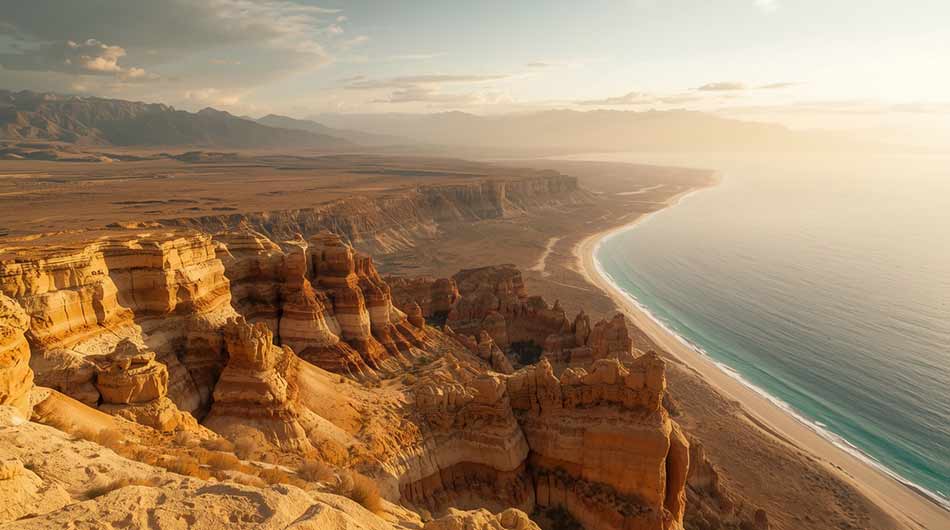
Iran is a country of remarkable contrasts. From ancient Persian cities and magnificent mosques to green mountain valleys, vast deserts, traditional villages and islands in the Persian Gulf, its landscapes and cultural heritage offer a wide range of experiences.
For travelers interested in history, architecture, nature, food and local culture, Iran has many destinations worth discovering. Some places reveal the legacy of the Persian Empire, while others introduce visitors to traditional lifestyles, regional cuisine and landscapes that feel completely different from one another.
In this guide, we explore 15 of the best places to visit in Iran, including famous landmarks and less familiar destinations. Whether you are interested in cultural sightseeing, nature photography, architecture or a longer journey across the country, these destinations provide a starting point for understanding Iran’s diversity.
Important travel advisory: This article is an informational destination guide, not a recommendation to travel to Iran at the present time. As of November 2026, several governments, including the United Kingdom, Germany, the United States and Australia, advise against travel to Iran. Conditions can change rapidly. Check your own government’s latest travel advice, insurance conditions and transport information before making any plans. Do not rely on this article as a safety assessment.
1. Isfahan: The Heart of Persian Architecture
Isfahan is one of Iran’s most celebrated historic cities. Known for its elegant Islamic architecture, grand squares, bridges and traditional bazaars, it offers an impressive introduction to Persian art and urban design.
The city’s most famous landmark is Naqsh-e Jahan Square, a UNESCO World Heritage Site surrounded by important historic buildings. The square brings together monumental architecture, public spaces and the atmosphere of the old city.
Other notable attractions include:
- Imam Mosque: An outstanding example of Persian Islamic architecture, famous for its tilework and monumental entrance.
- Sheikh Lotfollah Mosque: Known for its intricate decorative details and distinctive dome.
- Ali Qapu Palace: A historic royal pavilion overlooking Naqsh-e Jahan Square.
- Si-o-se-pol Bridge: A historic bridge with a series of arches across the Zayandeh Rud.
- Khaju Bridge: Another celebrated bridge, admired for its architecture and relationship with the river.
Isfahan is also known for traditional crafts, including miniature painting, enamelwork, metalwork and handwoven textiles.
Best for: Architecture, history, traditional crafts and cultural photography.
2. Shiraz: Poetry, Gardens and Ancient Persia
Shiraz is closely associated with Persian poetry, literature and gardens. It is also an important base for exploring some of the country’s most significant ancient archaeological sites.
The city is home to the tombs of two famous Persian poets, Hafez and Saadi. Their mausoleums are surrounded by gardens and remain meaningful cultural landmarks.
Highlights include:
- Nasir al-Mulk Mosque: Often called the Pink Mosque, it is known for its colorful stained glass and patterned light.
- Eram Garden: A historic Persian garden featuring mature trees, landscaped grounds and a traditional pavilion.
- Hafez Tomb: A popular cultural site dedicated to the celebrated Persian poet.
- Saadi Tomb: The resting place of another major figure in Persian literature.
- Vakil Bazaar: A traditional market with historic architecture and a variety of local products.
Shiraz is also an important gateway to Persepolis and Pasargadae, two major archaeological destinations associated with the Achaemenid Persian Empire.
Best for: Persian literature, gardens, architecture, history and archaeological heritage.
3. Persepolis: A Monument to the Persian Empire
Located near Shiraz, Persepolis is one of the most important archaeological sites in Iran and a UNESCO World Heritage Site.
Founded by Darius I in the sixth century BCE, Persepolis served as a ceremonial capital of the Achaemenid Empire. Its monumental stairways, columns, gateways and carved reliefs provide insight into the scale and artistic achievements of the ancient Persian world.
Visitors can see the remains of important structures, including the Apadana Palace, the Gate of All Nations and the Throne Hall.
The carved reliefs are especially significant. They depict representatives of different peoples bringing gifts to the Persian king, reflecting the diversity of the empire.
Persepolis is not simply an archaeological attraction; it is one of the defining places for understanding Iran’s ancient history.
Best for: Ancient history, archaeology, cultural heritage and photography.
4. Yazd: The City of Windcatchers
Yazd is one of the most distinctive historic cities in central Iran. Its traditional mud-brick architecture, narrow lanes, courtyards and windcatchers create an urban landscape shaped by centuries of adaptation to a dry climate.
The historic city of Yazd is recognized as a UNESCO World Heritage Site. Its architecture demonstrates how traditional communities developed practical ways to live in a hot and arid environment.
Important places to explore include:
- Amir Chakhmaq Complex: A recognizable historic structure with a striking symmetrical façade.
- Jameh Mosque of Yazd: Famous for its tall entrance portal and decorative tilework.
- Dowlat Abad Garden: A historic Persian garden featuring a celebrated windcatcher.
- Old Town: A network of traditional alleys, courtyards and mud-brick buildings.
- Zoroastrian heritage sites: Places connected with one of Iran’s historic religious communities.
Yazd is also known for traditional sweets, handicrafts and its distinctive desert-city atmosphere.
Best for: Traditional architecture, desert culture, history and cultural experiences.
5. Kashan: Historic Houses and Persian Gardens
Kashan is a historic city between Tehran and Isfahan, known for its traditional merchant houses, beautiful gardens and architectural heritage.
The city’s historic houses are among its most appealing attractions. Built by wealthy families, these residences feature decorative plasterwork, stained-glass windows, courtyards, fountains and carefully designed interior spaces.
Top attractions include:
- Tabatabaei House: A celebrated historic residence with detailed architectural decoration.
- Borujerdi House: Known for its impressive dome, windcatchers and interior design.
- Fin Garden: A UNESCO-listed Persian garden with water channels, pools and historic structures.
- Agha Bozorg Mosque: A historic mosque and religious complex with a distinctive architectural layout.
- Sialk Hills: An important archaeological site associated with early settlement in the region.
Kashan is also famous for rosewater production in nearby areas, particularly around Qamsar.
Best for: Historic homes, Persian gardens, architecture and traditional culture.
6. Tehran: A Modern Capital with Layers of History
 6. Tehran: A Modern Capital with Layers of History
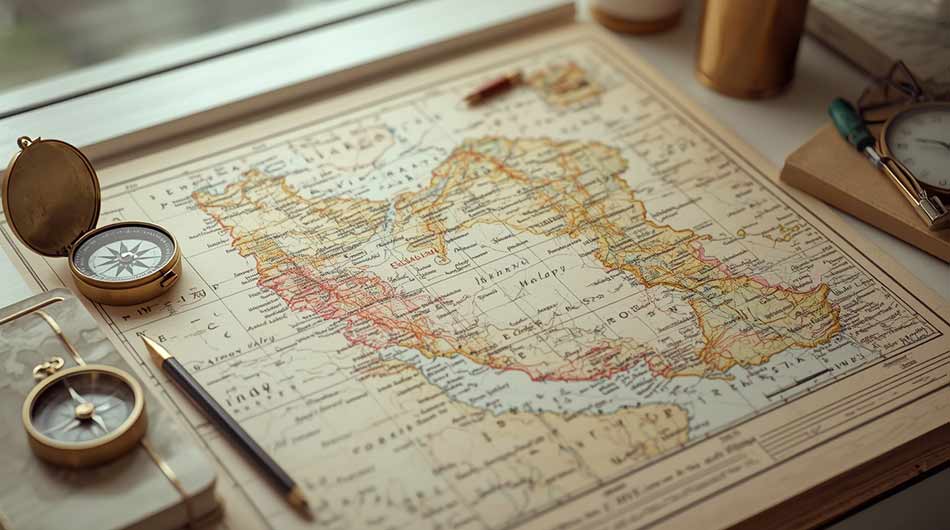
Tehran is Iran’s capital and largest city. Although it is often viewed primarily as a busy modern metropolis, it also contains important museums, palaces, historic neighborhoods and cultural institutions.
The city’s northern districts offer views toward the Alborz Mountains, while its historic center preserves traces of the Qajar and Pahlavi periods.
Notable attractions include:
- Golestan Palace: A UNESCO World Heritage Site and one of the most important historic royal complexes in Tehran.
- National Museum of Iran: A major institution for exploring the country’s archaeological and historical heritage.
- Saadabad Palace Complex: A collection of historic royal buildings and museums set in extensive grounds.
- Niavaran Palace Complex: Another historic royal complex with museums and landscaped surroundings.
- Grand Bazaar: A large traditional market with a long commercial history.
- Tajrish Bazaar: A traditional market in northern Tehran, known for its food shops and lively atmosphere.
Tehran can also be a useful starting point for understanding contemporary Iranian culture, cuisine and urban life.
Best for: Museums, royal architecture, shopping, contemporary culture and city experiences.
7. Tabriz: Historic Bazaars and Azerbaijani Culture
Located in northwestern Iran, Tabriz has a long history as a commercial and cultural center. Its location along historic trade routes helped shape its architecture, markets and regional identity.
One of its most important landmarks is the Tabriz Historic Bazaar Complex, a UNESCO World Heritage Site. Its covered passageways, courtyards, caravanserais and trading spaces illustrate the importance of commerce in the city’s history.
Other attractions include:
- Blue Mosque: A historic mosque known for its decorative tilework.
- Constitution House: A museum connected with Iran’s Constitutional Revolution.
- El Goli Park: A popular urban park with a large central pool and pavilion.
- Tabriz historic neighborhoods: Areas where traditional architecture and local life can still be explored.
Tabriz is also known for its regional cuisine, confectionery and handicrafts.
Best for: History, traditional markets, regional culture and architecture.
8. Kerman: Desert Heritage and Traditional Architecture
Kerman is a historic city in southeastern Iran, known for its traditional architecture, bazaars and access to important desert and archaeological landscapes.
The city has long been associated with trade, crafts and connections between central Iran and the southeast.
Highlights include:
- Ganjali Khan Complex: A historic urban complex containing a square, bathhouse, mosque and bazaar.
- Kerman Bazaar: A traditional market with historic sections and local shops.
- Shahzadeh Garden: A celebrated Persian garden near Mahan, featuring water channels, terraces and a historic pavilion.
- Bam: An important archaeological destination in Kerman Province, known for its historic adobe citadel and cultural landscape.
Kerman’s wider region contains remarkable natural and historical environments, although travel to remote areas requires careful planning and up-to-date local advice.
Best for: Traditional architecture, bazaars, Persian gardens and desert heritage.
9. The Caspian Sea Region: Green Landscapes and Forests
Northern Iran offers a striking contrast to the country’s central deserts. Along the southern coast of the Caspian Sea, visitors can find humid forests, rice fields, tea plantations, mountain roads and traditional villages.
The provinces of Gilan and Mazandaran are especially associated with green landscapes and regional food culture.
Places and experiences of interest include:
- Masuleh: A historic mountain village famous for its stepped architecture, where the roof of one house often serves as the courtyard of another.
- Ramsar: A coastal destination known for its mountain-and-sea scenery.
- Gilan’s rural landscapes: Villages, rice fields, tea gardens and traditional houses.
- Hyrcanian forests: Ancient temperate forests recognized by UNESCO for their ecological importance.
The region is also known for dishes featuring herbs, rice, fish and locally grown ingredients.
Best for: Forests, village architecture, food, mountain scenery and nature photography.
10. Qeshm Island: Geological Wonders in the Persian Gulf
Qeshm is the largest island in the Persian Gulf and one of Iran’s most distinctive natural destinations.
Its landscapes include unusual rock formations, coastal ecosystems, mangrove forests and traditional settlements. The island is particularly interesting for visitors who enjoy geology, nature and local culture.
Important attractions include:
- Chahkooh Canyon: A dramatic geological formation shaped by erosion.
- Stars Valley: A landscape of unusual rock structures and narrow passages.
- Hara Mangrove Forests: Coastal mangroves that provide habitat for birds and marine life.
- Laft Village: A historic settlement known for its windcatchers and traditional waterfront architecture.
- Portuguese Castle: A historic fortification in the island’s main town.
Qeshm is also part of the UNESCO Global Geoparks network through the Qeshm Island UNESCO Global Geopark.
Best for: Geology, coastal landscapes, wildlife, traditional villages and nature photography.
11. Hormuz Island: A Colorful Landscape by the Sea
Near Qeshm, Hormuz Island is known for its striking geological colors and unusual coastal scenery.
The island’s mineral-rich soils create a variety of red, yellow, orange and other tones across its hills and beaches. Its most famous feature is often called the Red Beach, where the reddish landscape meets the Persian Gulf.
Other points of interest include:
- Rainbow Valley: A landscape of colorful mineral formations.
- Red Beach: A distinctive shoreline known for its red-colored sand and soil.
- Salt formations: Natural geological structures shaped by mineral deposits and erosion.
- Historic Portuguese Fort: Remains of a historic coastal fortification.
Hormuz is a relatively small island, but its landscapes are visually distinctive and different from most other parts of Iran.
Best for: Geology, landscape photography, coastal scenery and unusual natural colors.
12. Damavand and the Alborz Mountains: A Mountain Landscape
Mount Damavand, located in the Alborz range northeast of Tehran, is Iran’s highest peak and one of its most recognizable natural landmarks.
The mountain is a major symbol in Persian culture and literature. Its volcanic form rises above the surrounding landscape and attracts mountaineers and nature enthusiasts.
The wider Alborz region offers mountain scenery, valleys, rivers and opportunities for outdoor activities.
However, high-altitude trekking and climbing require appropriate preparation, experienced guides, suitable equipment and careful attention to weather and local conditions. Damavand should not be treated as a casual hiking destination.
Best for: Mountain scenery, trekking, mountaineering and nature photography.
13. Lut Desert: One of Iran’s Most Extraordinary Landscapes
The Lut Desert, also known as Dasht-e Lut, is one of Iran’s most remarkable natural regions. Its vast desert landscapes include sand dunes, rocky plains and dramatic formations shaped by wind and erosion.
The Lut Desert is a UNESCO World Heritage Site, recognized for its outstanding geological features and natural significance.
One of its best-known formations is the kaluts—large wind-sculpted landforms that create an almost otherworldly landscape.
The desert is visually spectacular, but its extreme environmental conditions make it a destination that requires serious preparation. Any future visit should depend on current safety conditions, weather, access restrictions and professional local guidance.
Best for: Desert landscapes, geology and specialized nature photography.
14. Kurdistan and Hawraman: Mountain Villages and Cultural Heritage
Western Iran is home to mountain landscapes and distinctive regional cultures. The Hawraman/Uramanat cultural landscape, shared across parts of Iran and Iraq, is recognized as a UNESCO World Heritage Site.
The region is known for steep mountain slopes, stone architecture, terraced settlements and cultural traditions shaped by the local environment.
Traditional villages such as Uraman Takht are associated with distinctive building styles and a strong relationship between settlement patterns and the surrounding mountains.
The region is also known for local music, clothing, food and cultural traditions.
Because some areas of western Iran are subject to specific security warnings, travelers must check current official advice and local access conditions before considering any visit.
Best for: Mountain scenery, traditional villages, cultural heritage and architecture.
15. Golestan National Park: Wildlife and Natural Diversity
Golestan National Park, in northeastern Iran, is one of the country’s important protected natural areas. Its landscapes include forests, grasslands, hills and mountainous terrain.
The park is notable for its ecological diversity and wildlife. It provides habitat for several species of mammals and birds and is an important part of Iran’s natural heritage.
Unlike the country’s more familiar historic cities and desert destinations, Golestan offers a different perspective on Iran: one focused on ecosystems, biodiversity and protected landscapes.
Wildlife observation should always be responsible. Visitors should follow park regulations, avoid disturbing animals and use authorized routes and guides where required.
Best for: Wildlife, forests, biodiversity and nature-focused travel.
How to Choose the Best Places to Visit in Iran
 How to Choose the Best Places to Visit in Iran
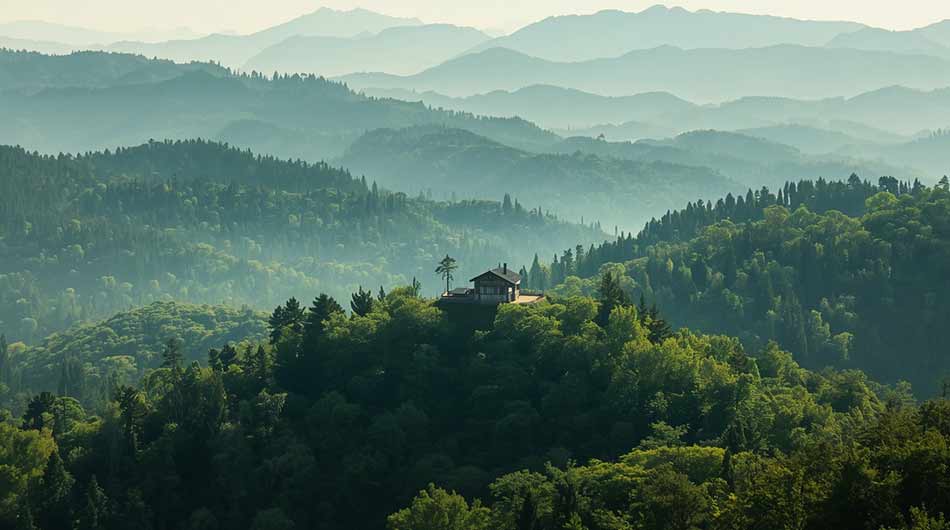
The best destinations depend on the type of experience you are looking for. Iran offers several broad travel themes:
| Travel interest | Destinations to explore |
|---|---|
| Persian history and archaeology | Persepolis, Shiraz, Isfahan, Kerman |
| Historic architecture | Isfahan, Yazd, Kashan, Tabriz |
| Museums and city culture | Tehran, Tabriz, Shiraz |
| Forests and green landscapes | Gilan, Mazandaran, Golestan |
| Desert scenery | Lut Desert, Kerman region, Yazd |
| Islands and coastal landscapes | Qeshm, Hormuz |
| Mountains and villages | Alborz, Damavand, Hawraman |
These are destination themes for future planning, not a statement that travel to any particular region is currently safe or advisable.
How Many Days Do You Need to Explore Iran?
Iran is a large country, and visiting every major destination in one trip is unrealistic. The time required depends on distances, transport connections, travel pace and the regions included.
For a future trip when travel is officially advisable, these broad examples can help with initial planning:
- 7 days: Focus on one compact cultural route, such as Tehran, Kashan and Isfahan, or Shiraz and its nearby archaeological sites.
- 10 days: Combine several historic cities, allowing time for local experiences and day trips.
- 14 days: Consider a wider route that includes central Iran and one additional region, such as the Caspian coast or the Persian Gulf islands.
- 21 days or more: A longer journey may allow a broader mix of historic cities, nature destinations and regional cultures.
For practical advice about routes, transport and accommodation, see our related guides:
- How to Plan a Trip to Iran
- Getting Around Iran: Trains, Buses, Domestic Flights and Private Drivers
- Where to Stay in Iran: Hotels, Traditional Houses and Eco-Lodges
When Is the Best Time to Visit Iran?
Iran has several climate zones, so the best season depends on the destination.
Spring and autumn are traditionally considered comfortable periods for many central and cultural destinations. Northern Iran has a different climate, with more humidity and rainfall, while the Persian Gulf region experiences very hot summers.
Mountain destinations have their own seasonal conditions, and high-altitude routes may be affected by snow and severe weather.
For a more detailed seasonal overview, read our guide to Iran Nature Travel: Mountains, Forests, Deserts and Islands.
Before choosing dates, check current weather conditions, local restrictions, transport availability and official travel advice.
Travel Responsibly and Respect Local Culture
Iran’s cultural and natural heritage deserves thoughtful and responsible tourism. When travel becomes advisable, visitors can help protect local communities and environments by following a few principles:
- Respect local customs, dress requirements and religious sites.
- Ask permission before photographing people, particularly in private or sensitive settings.
- Choose authorized guides and responsible local operators.
- Avoid leaving waste in natural areas.
- Follow conservation rules in protected parks and geological sites.
- Support local craftspeople and businesses where possible.
- Follow all local regulations and official instructions.
For practical cultural guidance, see our article on Useful Persian Phrases for Tourists.
Final Thoughts: Discovering the Diversity of Iran
From the monumental ruins of Persepolis to the historic streets of Yazd, the forests of the Caspian region and the colorful landscapes of Hormuz, Iran offers an extraordinary range of cultural and natural heritage.
The 15 destinations in this guide represent only part of the country’s diversity. Each region has its own architecture, traditions, landscapes and food culture, making Iran a destination that rewards careful, well-informed exploration.
For anyone considering a future visit, the first step is not choosing an itinerary but checking current official travel advice and ensuring that travel is safe, lawful, insurable and practical.
When conditions allow, thoughtful planning and responsible local guidance can help visitors appreciate Iran’s remarkable heritage while respecting the communities and environments that make it unique.
Frequently Asked Questions
1. What are the best places to visit in Iran?
Some of Iran’s best-known destinations include Isfahan, Shiraz, Persepolis, Yazd, Kashan, Tehran, Tabriz, Qeshm Island and the Caspian Sea region. Each offers a different combination of history, architecture, culture or nature.
2. What is the most beautiful city in Iran?
There is no single answer because beauty depends on personal interests. Isfahan is celebrated for its architecture, Shiraz for its gardens and literary heritage, and Yazd for its traditional desert-city design.
3. Is Iran worth visiting for history lovers?
Iran has an extensive historical heritage, including ancient archaeological sites, historic cities, traditional bazaars, royal complexes and UNESCO-listed cultural properties. However, travelers must check current official travel advice before considering a visit.
4. What are the best natural attractions in Iran?
Notable natural destinations include the Caspian forests, the Alborz Mountains, Mount Damavand, the Lut Desert, Qeshm Island, Hormuz Island and Golestan National Park.
5. How many days are enough to explore Iran?
A future trip of 10 to 14 days could cover several major cultural destinations, while three weeks or more would allow a broader itinerary. Actual planning depends on transport, access and current conditions.
6. What is the best time of year to visit Iran?
Spring and autumn are traditionally comfortable for many central destinations, but climate varies considerably across the country. The best season depends on the regions included in the itinerary and current local conditions.
7. Are Iran’s UNESCO World Heritage Sites worth seeing?
Iran’s UNESCO-listed sites include important examples of ancient architecture, historic cities, Persian gardens and cultural landscapes. Persepolis, Naqsh-e Jahan Square, the historic city of Yazd and the Tabriz Historic Bazaar Complex are among the best-known examples.
8. Is it safe to travel to Iran now?
Travel safety depends on current conditions and the advisories issued by a traveler’s government. As of November 2026, several governments advise against travel to Iran. Check the latest official guidance before making any travel decision.
Official Resources
- UNESCO World Heritage – Iran
- UK Foreign, Commonwealth & Development Office – Iran Travel Advice
- German Federal Foreign Office – Iran Travel and Safety Advice
- Australian Smartraveller – Iran
About IranParadise: IranParadise shares destination guides and travel information to help international readers understand Iran’s cultural heritage, landscapes and travel possibilities. Any future travel arrangements should be considered only after checking current official advice and local conditions.
Tags:best cities in Iran, Best Places to Visit in Iran, best time to visit Iran, best tour operator iran, Cultural sites of Iran, cultural tourism Iran, Custom Iran tours, historical places in Iran, How to Plan a Trip to Iran, Iran adventure tours, iran attractions, Iran cultural tours, iran destinations, Iran ecotourism, Iran itinerary, Iran national parks, Iran natural attractions, Iran nature destinations, iran Solo trip, iran tour, Iran tour packages, Iran tourism plan, iran tourist attractions, Iran travel agency, Iran travel destinations, Iran Travel Guide, Iran travel insurance, Iran travel money, Iran travel planning, Iran travel safety, Iran Travel Tips, Iran trip preparation, Iranian culture for tourists, iranparadise, Iranparadise tourism, Iranparadise tourism company, Luxury tours in Iran, must-visit Iran, nature tourism in Iran, places to visit in Iran, Private guides in Iran, Private tours in Iran, things to see in Iran, travel guide Iran, Travel to Iran with Iranparadise, visiting Iran, درنا گشت
Post Discussion