

How to Pay in Iran as a Tourist: Cash, Cards and Currency Tips
 How to Pay in Iran as a Tourist: Cash, Cards and Currency Tips
 How to Pay in Iran as a Tourist: Cash, Cards and Currency Tips
Planning a trip to Iran requires more than booking flights and accommodation. Understanding how money works in the country is essential for managing your travel budget, paying for hotels and transportation, and avoiding confusion when shopping or dining out.
Iran has a different payment environment from many international destinations. Due to financial sanctions and restrictions on international banking connections, foreign-issued Visa, Mastercard, and other international bank cards generally cannot be used for everyday payments or cash withdrawals in Iran. Travelers should therefore arrange their access to money before departure.
This guide explains how to pay in Iran as a tourist, how the Iranian rial and toman differ, where to exchange money, and how to manage your travel budget more confidently.
Important: Financial access, exchange conditions, and travel restrictions can change. Check current official guidance for your nationality before making travel arrangements.
Quick Facts About Money in Iran
- Official currency: Iranian rial (IRR).
- Common everyday unit: Toman.
- International bank cards: Foreign-issued cards generally do not work for local purchases or ATM withdrawals.
- Main payment method: Cash in Iranian currency.
- Foreign currency exchange: Availability and rates vary; use legitimate, authorized exchange providers.
- ATMs: Generally intended for cards issued by Iranian banks.
- Best preparation: Arrange sufficient funds and a lawful way to access money before traveling.
1. What Is the Currency of Iran?
 1. What Is the Currency of Iran?
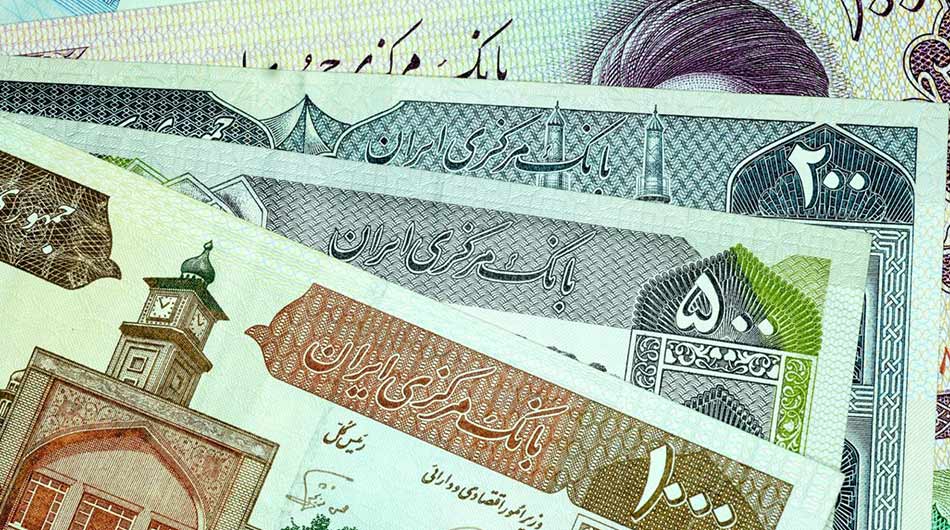
The official currency of Iran is the Iranian rial, abbreviated as IRR. However, people commonly quote prices in toman in everyday conversation.
One toman equals ten rials.
This difference can be confusing for first-time visitors because prices may be spoken aloud in toman while banknotes and some official documents use rial.
Rial vs. Toman: Understanding the Difference
| Currency unit | Relationship |
|---|---|
| 1 toman | 10 rials |
| 10 tomans | 100 rials |
| 100 tomans | 1,000 rials |
| 1,000 tomans | 10,000 rials |
| 10,000 tomans | 100,000 rials |
For example, if a seller quotes a price of 500,000 tomans, that equals 5,000,000 rials.
The key is to confirm which unit the seller is using before paying. This is especially important when discussing taxi fares, restaurant bills, souvenirs, and accommodation.
How to Avoid Currency Confusion
- Ask whether a quoted price is in rial or toman.
- Confirm the total price before handing over money.
- Learn to recognize the most common Persian numerals.
- Use a calculator when dealing with large amounts.
- Check the unit shown on receipts and written price lists.
A simple question such as “Toman or rial?” can prevent a costly misunderstanding.
2. Can Tourists Use Visa, Mastercard, or Foreign Bank Cards in Iran?
In general, no. International payment networks are not normally available for everyday purchases in Iran, and foreign-issued debit and credit cards generally cannot be used at local payment terminals or ATMs.
This means you should not assume that a card that works throughout Europe, Asia, or the Middle East will work in Iran.
What This Means for Your Trip
Before departure, plan how you will cover:
- Hotels and guesthouses.
- Restaurants and cafés.
- Domestic transportation.
- Entrance fees and guided tours.
- Shopping and souvenirs.
- Emergency and unexpected expenses.
Do not rely on withdrawing money from an Iranian ATM using a foreign bank card. Also, do not assume that a bank transfer or an international money-transfer service will provide a workable alternative.
Some providers may offer arrangements specifically designed for foreign visitors, but their availability, terms, fees, and eligibility can vary. Verify any such service independently before relying on it.
3. Should You Bring Cash to Iran?
Cash planning is particularly important for visitors to Iran. Official travel guidance warns that international cards cannot generally be used and that obtaining additional funds through ordinary international banking channels may be difficult or impossible.
Before traveling, calculate your expected expenses and confirm how you can legally bring and exchange sufficient funds.
How Much Cash Should You Prepare?
There is no single amount that suits every traveler. Your needs depend on the length of your stay, accommodation type, transportation arrangements, activities, and whether major expenses have already been paid.
Consider preparing a budget for:
- Daily meals and drinks.
- Local transportation.
- Accommodation not prepaid.
- Sightseeing and excursions.
- Shopping and personal expenses.
- An emergency reserve.
Use current quotations rather than old online budget estimates, because prices and exchange rates can change considerably.
Should You Carry All Your Money in One Place?
No. Avoid keeping all your cash in one wallet or bag.
Where practical:
- Separate your spending money from your reserve.
- Store backup cash securely.
- Carry only what you need for the day.
- Use accommodation safes where available and appropriate.
- Keep your passport and other essential documents secure.
Avoid displaying large amounts of cash in public. These precautions are sensible for travel in any destination.
4. Where Can You Exchange Money in Iran?
Foreign visitors may be able to exchange eligible foreign currencies through authorized exchange offices, subject to current regulations, identification requirements, and local availability.
Euros and US dollars are commonly mentioned in official travel guidance as currencies travelers may be able to exchange, but acceptance and exchange conditions should be confirmed before departure.
Authorized Exchange Offices
A legitimate exchange office can explain its current rate, fees, identification requirements, and the amount of Iranian currency you will receive.
Before completing a transaction:
- Check the displayed exchange rate.
- Confirm the amount you will receive after fees.
- Ask whether the rate is a buying or selling rate.
- Count the money carefully.
- Request a receipt.
- Keep the receipt if you may need it for financial records or currency declarations.
Exchange rates can vary between providers and change frequently. Compare available authorized options rather than relying on a rate quoted in an old blog post.
Should You Exchange Money at the Airport?
Airport exchange facilities may be convenient, but their availability, operating hours, and rates can vary.
If you plan to exchange money on arrival, check in advance whether a suitable authorized facility is operating. Do not assume that an airport exchange counter will always be available when your flight lands.
Avoid Informal Street Exchanges
Use authorized providers rather than exchanging money with unknown individuals on the street. Informal transactions can expose you to fraud, counterfeit banknotes, unfavorable rates, or legal problems. UK travel guidance specifically warns that changing money on the street is illegal.
5. Can You Pay in Euros or US Dollars in Iran?
 5. Can You Pay in Euros or US Dollars in Iran?
Foreign currency may be useful for exchange, but you should not assume that shops, restaurants, taxi drivers, or other local businesses will accept it directly.
For ordinary daily expenses, plan to pay in Iranian currency unless a legitimate provider has explicitly confirmed another arrangement.
Some travel-related businesses may offer services priced in foreign currency or provide advance payment arrangements. Confirm the payment currency, exchange terms, fees, and refund conditions before booking.
A Practical Approach
- Bring an appropriate amount of eligible foreign currency if permitted under applicable rules.
- Exchange money through authorized providers.
- Keep enough local currency for ordinary daily expenses.
- Confirm payment arrangements for hotels, tours, and transfers in advance.
- Avoid assuming that a foreign-currency quotation means cash payment in that currency will be accepted.
6. How to Budget for a Trip to Iran
A useful travel budget starts with the expenses that are most difficult to change once you arrive.
Accommodation
Confirm whether your accommodation must be paid in advance, on arrival, or through a local arrangement. Ask which currency is required and whether the provider accepts your proposed payment method.
Food and Drinks
Include meals, snacks, bottled water where needed, and café visits. Prices vary according to the city, restaurant type, and current economic conditions.
Transportation
Account for airport transfers, taxis, intercity journeys, and local public transportation. For longer trips, confirm the fare and payment terms before booking.
Attractions and Guided Tours
Include admission fees, guide services, excursions, and any additional transportation costs. Ask whether quoted prices include entrance tickets and other charges.
Emergency Reserve
Keep a separate reserve for unexpected expenses, such as changes to accommodation, additional transportation, or medical needs.
A Simple Budget Worksheet
| Expense category | Estimated amount |
|---|---|
| Accommodation | ______ |
| Food and drinks | ______ |
| Local transport | ______ |
| Intercity transport | ______ |
| Tours and entrance fees | ______ |
| Shopping and personal expenses | ______ |
| Emergency reserve | ______ |
| Total estimated budget | ______ |
Prepare this worksheet in a currency you understand, then calculate how much local money you may need using a current exchange quotation. Recheck your estimates before departure.
7. What About Tipping and Small Purchases?
Cash is useful for small purchases, cafés, local transportation, and other everyday transactions.
Tipping customs vary by setting. Some restaurants include a service charge, while other situations may involve optional tipping. Check the bill and use your judgment rather than assuming a fixed percentage applies everywhere.
For markets and small shops, confirm the final price and currency before paying. If bargaining is customary, remain polite and agree on the amount before completing the purchase.
8. Common Money Mistakes to Avoid
Assuming Your Bank Card Will Work
Do not wait until arrival to discover that you cannot access your funds. Verify your options and make a realistic financial plan in advance.
Confusing Rial and Toman
Always confirm the unit used in a price quotation. A difference of one zero can significantly change the amount you believe you owe.
Relying on Old Exchange Rates
Rates can change rapidly. Use current quotations from legitimate providers and recalculate your budget before departure.
Carrying No Emergency Reserve
An unexpected expense can become difficult to manage if you cannot withdraw more money. Keep an appropriately sized reserve separate from your daily spending cash.
Exchanging Money With Unknown Individuals
Avoid informal street exchanges and transactions that you cannot verify.
Ignoring Currency Declaration Rules
Before traveling, check the customs and declaration requirements for both your departure country and Iran. Rules can depend on the amount, currency, and circumstances. Keep relevant exchange receipts and documentation.
9. What If You Run Out of Money in Iran?
Running out of cash can be particularly challenging because foreign-issued cards and ordinary international transfers may not provide a reliable backup.
To reduce this risk:
- Prepare a realistic budget before traveling.
- Keep emergency funds separate from everyday spending money.
- Confirm whether your hotel or tour provider can help you contact a legitimate financial service.
- Contact your bank or card issuer before departure to understand its policies, while recognizing that its services may not solve the problem locally.
- Do not rely on strangers or unverified money-transfer offers.
If you are already in Iran and need financial assistance, contact your accommodation provider, travel operator, or relevant consular service where available. Options may be limited, so advance preparation is essential.
10. How IranParadise Can Help With Travel Planning
 10. How IranParadise Can Help With Travel Planning
Understanding local payment arrangements can make travel planning easier, especially when organizing accommodation, transportation, and guided experiences.
IranParadise can assist with itinerary planning and coordinating eligible travel services, subject to availability and current conditions.
Before confirming a booking, ask:
- What is the total price?
- Which currency is used?
- How and when must payment be made?
- Are any deposits or additional fees required?
- What are the cancellation and refund conditions?
- What happens if travel arrangements change?
Confirm these details in writing before making a commitment. Do not assume that an agency can provide access to international banking or currency exchange unless it explicitly confirms a lawful service.
Frequently Asked Questions
What currency is used in Iran?
The official currency is the Iranian rial (IRR), but prices are commonly expressed in toman. One toman equals ten rials.
Can I use Visa or Mastercard in Iran?
Foreign-issued Visa, Mastercard, and other international bank cards generally cannot be used for ordinary local payments or ATM withdrawals. Confirm the latest situation before traveling.
Can tourists withdraw cash from Iranian ATMs?
Foreign-issued bank cards generally do not work at Iranian ATMs. Do not rely on ATM withdrawals as your source of travel funds.
Is it possible to exchange euros or US dollars in Iran?
Authorized exchange offices may accept eligible foreign currencies, including euros and US dollars, depending on current conditions and regulations. Verify availability, rates, and documentation requirements before departure.
Should I bring cash for my entire trip?
You should plan for sufficient funds to cover your expected expenses because ordinary international card payments and transfers may not be available. Determine the appropriate amount from current prices and confirm applicable currency declaration rules.
Is it safe to exchange money on the street?
Avoid informal street exchanges. Use authorized providers and confirm the rate, fees, and amount received before completing a transaction.
Are prices in Iran quoted in rial or toman?
Both units may appear, but toman is commonly used in everyday conversation. Always confirm the unit before paying.
Can I send money to Iran from abroad?
Ordinary international bank transfers and commercial money-transfer services may not be available for sending funds into Iran. Check current legal restrictions and verify any proposed alternative with a reputable provider before relying on it.
Knowing how to pay in Iran as a tourist is an essential part of preparing for a trip. The most important steps are understanding the difference between rial and toman, confirming how to exchange money legally, arranging sufficient funds in advance, and avoiding reliance on international bank cards.
Because financial restrictions, exchange conditions, and travel rules can change, verify the latest information through official sources before departure. Careful planning can help you manage expenses more confidently and avoid preventable payment problems.
Related Articles
- Internet in Iran for Tourists: SIM Cards, Wi-Fi and Connectivity
- Getting Around Iran: Trains, Buses, Flights and Private Drivers
- Where to Stay in Iran: Hotels, Traditional Houses and Eco-Lodges
- Iran Travel Insurance Guide: Medical Coverage and Safety Tips
Official Sources for Further Reading
- UK Government: Iran Travel Advice — Safety and Security
- US Department of State: Iran Travel Advisory
- Australian Government: Iran Travel Advice
Tags:best tour operator iran, cash in Iran, credit cards in Iran, Cultural sites of Iran, cultural tourism Iran, currency exchange tips Iran, Custom Iran tours, Economy of Travel, hiking in Iran, How to Pay in Iran as a Tourist, Iran adventure tours, iran attractions, Iran cultural tours, Iran currency for tourists, iran destinations, Iran ecotourism, Iran medical insurance, Iran national parks, Iran natural attractions, Iran Nature Travel Guide, iran Solo trip, iran tour, Iran tour packages, Iran tourism plan, iran tourist attractions, Iran travel agency, Iran travel insurance, Iran travel insurance requirements, Iran travel money, Iran travel requirements, Iran travel safety, Iran Travel Tips, Iranian culture for tourists, Iranian rial and toman, iranparadise, Iranparadise tourism, Iranparadise tourism company, Luxury tours in Iran, Money exchange in Iran, must-visit Iran, nature tourism in Iran, paying in Iran, Private guides in Iran, Private tours in Iran, travel guide Iran, travel insurance for Iran, Travel to Iran with Iranparadise, درنا گشت
This is an interesting topic with several important aspects.
Great job covering the important aspects of the subject.
Thanks for sharing such a detailed discussion.
Nicely written with a good flow of information.
Excellent explanation with a logical flow.
Very informative. I will be checking out other articles here.
Looking forward to more informative content like this.
I like the way the content is arranged.
Thanks for sharing such a detailed overview.
Thanks for sharing this interesting discussion.
Thanks for publishing such helpful information.
This post offers a useful learning experience.
I appreciate articles that make health topics easier to understand. I appreciate the focus on informed choices rather than quick promises. Appreciate the time taken to explain the topic.
A well-organized article with practical context. A balanced perspective is important when researching health products. This has given me a few things to consider.
This is a helpful resource for anyone exploring the subject. It is always useful to understand the basics before making decisions. This has given me a few things to consider.
There is some useful information here. This encourages a more informed approach rather than relying on assumptions. This was worth my time to read.
The explanation is clear and straightforward. The points here can help readers prepare more focused questions. I found this discussion worthwhile.
Thanks for putting together this guide. The explanations make this topic feel less overwhelming. A follow-up article would be interesting.
This is a useful overview of the subject. It is good to see the importance of context included in the discussion. A follow-up article would be interesting.