

Solo Travel in Iran: A Complete Guide for Independent Travelers
Solo Travel in Iran: A Complete Guide for Independent Travelers
Traveling alone can completely change the way you experience a country.
Instead of following a fixed schedule, you can decide when to explore a historic bazaar, spend an extra hour in a beautiful garden, take a spontaneous walk through an old neighborhood, or simply sit in a traditional teahouse and watch everyday life unfold.
Iran can be an especially interesting destination for independent travelers because of its history, architecture, food, landscapes and strong culture of hospitality.
However, solo travel in Iran requires more preparation than simply booking a flight and a hotel. Understanding transportation, accommodation, communication, local customs, payment options and current travel conditions can make your trip much smoother.
This guide explains what independent travelers should know before planning a solo trip to Iran.
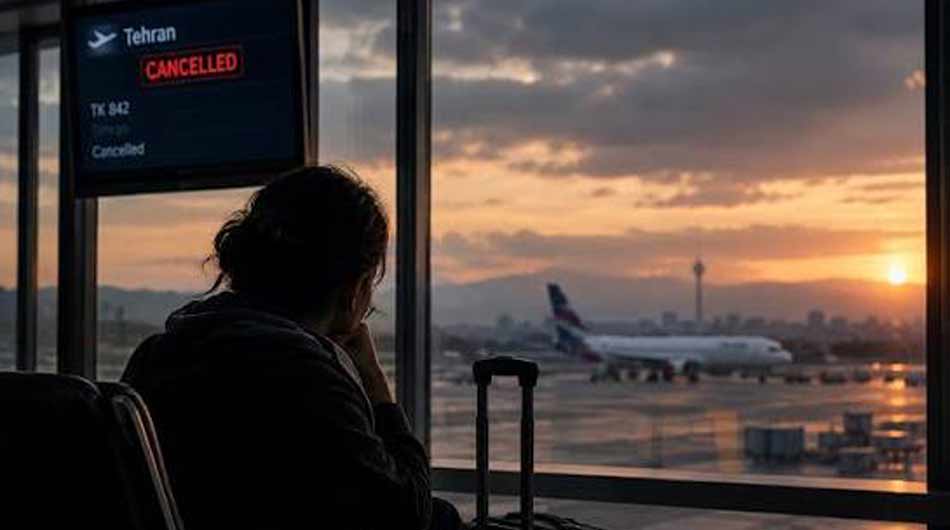
Important current travel note: Travel conditions can change rapidly. As of October 2026, several foreign governments advise against travel to Iran because of the volatile regional security situation. Travelers should check their own government’s latest travel advisory, insurance conditions, border and flight status before making or continuing travel plans.
Is Iran Suitable for Solo Travel?
In general terms, Iran has many characteristics that can make independent travel rewarding:
- Major tourist cities have established tourism infrastructure.
- Intercity trains and buses connect many destinations.
- Domestic flights can save time on longer routes.
- Hotels, guesthouses and traditional houses are available in major destinations.
- Many locals are interested in meeting foreign visitors.
- English is relatively common in tourist-oriented hotels and services, although it should not be expected everywhere.
- Travelers can combine historical cities with mountains, deserts, forests and coastal destinations.
But Iran is not a completely straightforward destination for every traveler.
International sanctions can affect financial services, internet access can be inconsistent or restricted, and some nationalities may face additional visa or security considerations.
For this reason, independent travel in Iran is best approached as prepared independent travel, rather than completely spontaneous travel.
What Makes Solo Travel in Iran Different?
One of the most memorable aspects of traveling in Iran can be the interaction with local people.
A traveler walking through a bazaar, visiting a historical site or sitting in a café may find that locals are curious about where they are from and what they think of Iran.
These interactions can become some of the best memories of a trip.
At the same time, cultural differences can sometimes create confusing situations.
For example, taarof, a complex Iranian social etiquette system, can make it difficult for visitors to immediately understand whether an offer is genuine, polite or expected to be declined.
Learning a few Persian expressions can therefore be surprisingly useful.
Simple phrases such as:
- Salam — Hello
- Merci — Thank you
- Bebakhshid — Excuse me / Sorry
- Lotfan — Please
- Khob hastid? — How are you?
can make everyday interactions easier.
For more useful expressions, see our complete guide to Persian phrases for tourists.
Is Solo Travel in Iran Safe?
Safety should always be considered in two different ways:
- Ordinary travel safety
- Current political and regional security conditions
These are not the same thing.
For ordinary travel, visitors should take the same basic precautions they would use in any unfamiliar destination:
- Keep important documents secure.
- Avoid displaying large amounts of cash.
- Be careful with phones and valuables in crowded areas.
- Use reputable transportation.
- Keep someone informed about your itinerary.
- Avoid unfamiliar isolated areas late at night.
- Follow local regulations.
- Stay aware of your surroundings.
However, the current regional security situation is a separate and much more important consideration.
As of October 2026, official travel advisories from the UK, Canada and Australia advise against travel to Iran because of the volatile security situation and the possibility of military activity and sudden travel disruption.
This means a traveler should not rely on an older blog post, social-media video or previous visitor’s experience to judge current conditions.
Always check the latest official information immediately before travel.
Can You Travel Around Iran Alone?
Yes, independent travelers can organize transportation between many major Iranian cities.
Depending on the route, options include:
Train
Trains can be a comfortable option for longer journeys and overnight travel.
Intercity Bus
Buses are widely used and can be a practical choice for many routes.
Domestic Flights
Flights can be useful when traveling between destinations that are far apart.
Private Driver
A private car with a driver can be particularly convenient for multi-city itineraries, desert excursions or routes involving several historical sites.
For a detailed comparison, see our guide:
Getting Around Iran: Trains, Buses, Domestic Flights and Private Drivers
Best Cities for an Independent Trip to Iran
A first solo trip does not need to cover the entire country.
Choosing a manageable route is often better than trying to see everything.
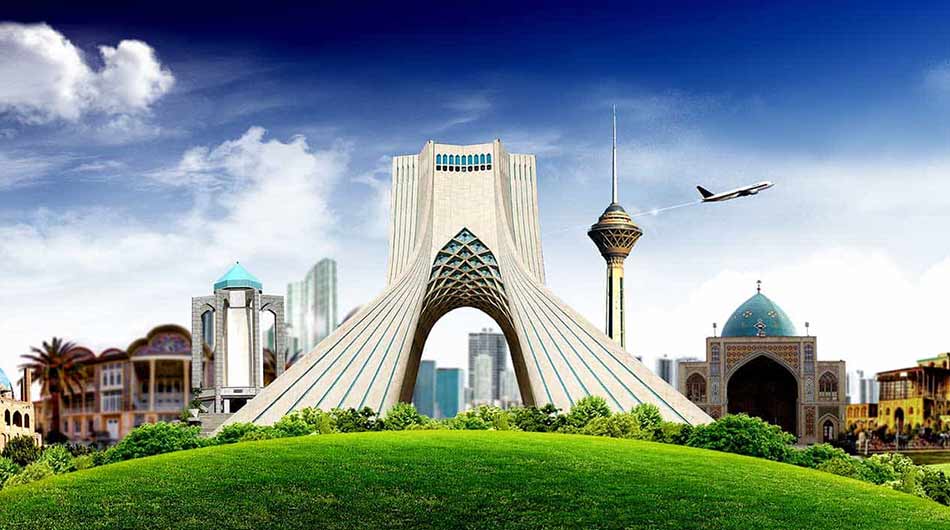
Tehran
Tehran is usually the natural starting point for international travelers.
It offers:
- Museums
- Contemporary cafés
- Historic palaces
- Parks
- Art galleries
- Traditional bazaars
- Modern shopping districts
Tehran is also useful as a transportation hub for connecting with other parts of Iran.
Isfahan
Isfahan is one of the most rewarding destinations for travelers interested in Persian architecture and history.
Highlights include:
- Naqsh-e Jahan Square
- Historic mosques
- Traditional bazaars
- Persian bridges
- Palaces and gardens
The city is also relatively easy to explore at a relaxed pace.
Shiraz
Shiraz is particularly attractive for travelers interested in Persian culture, poetry, gardens and nearby archaeological sites.
It can also be combined with Persepolis and Pasargadae.
Yazd
Yazd offers a very different atmosphere.
Its traditional architecture, adobe streets, windcatchers and desert surroundings make it an excellent destination for travelers who want something beyond Iran’s larger cities.
Kashan
Kashan is ideal for travelers who enjoy traditional houses, historic neighborhoods, gardens and architecture.
Its location between Tehran and Isfahan also makes it convenient for many itineraries.
How Many Days Do You Need for a Solo Trip to Iran?
There is no single perfect length.
However, a first-time independent traveler could consider:
5–7 Days
Focus on one or two major destinations.
Example:
Tehran → Kashan → Isfahan
8–12 Days
A classic cultural route becomes more realistic.
Example:
Tehran → Kashan → Isfahan → Yazd → Shiraz
2 Weeks or More
You can add destinations based on your interests, such as:
- Persian Gulf islands
- Northern Iran
- Desert areas
- Mountain regions
- Additional historical sites
The key is to avoid creating an itinerary where every day is spent checking in, checking out and sitting on transportation.
Where Should Solo Travelers Stay in Iran?
Accommodation can strongly influence the solo-travel experience.
You can choose between:
Hotels
A conventional hotel can provide more predictable services and support.
Boutique Hotels
These can offer a more distinctive atmosphere while remaining comfortable.
Traditional Houses
Traditional Iranian houses converted into accommodation can be an excellent way to experience historic architecture.
Guesthouses
Guesthouses may provide more opportunities to meet other travelers.
Eco-Lodges
These are particularly interesting for desert, mountain and rural experiences.
When traveling alone, consider accommodation based not only on price but also on:
- Location
- Reviews
- Reception availability
- Transportation access
- Distance from major attractions
- Communication with staff
- Cancellation conditions
For a broader guide, see:
Where to Stay in Iran: Hotels, Traditional Houses & Eco-Lodges
How Do You Pay for Things in Iran as a Solo Traveler?
This is one of the most important practical issues to understand before your trip.
International banking and card networks do not function in Iran in the same way they do in many European, North American or other international destinations.
Therefore, travelers should not assume that an ordinary foreign Visa or Mastercard will work for everyday purchases.
Before traveling, research the current payment situation for your nationality and itinerary and make sure you have an appropriate payment strategy.
Also remember that Iran uses both rial and the commonly used toman in everyday conversation.
Always clarify the amount before paying if you are unsure.
Internet and Communication for Solo Travelers
Reliable communication is especially important when traveling alone.
Before leaving your accommodation each day, consider downloading or preparing:
- Offline maps
- Hotel address
- Important phone numbers
- Your itinerary
- Transport details
- Copies of important documents
Internet access and communications can be disrupted or restricted, so having an offline backup is particularly important. Current official travel advice also warns of communications and internet disruptions.
You can read our detailed guide:
Internet in Iran for Tourists: SIM Cards, Wi-Fi & Connectivity
Should You Hire a Local Guide?
Solo travel does not necessarily mean traveling without local assistance.
In fact, combining independent travel with occasional professional guidance can be one of the most effective approaches.
For example, you might:
- Explore Tehran independently.
- Hire a guide for Persepolis.
- Use a private driver for a desert excursion.
- Join a guided walking tour in a historic city.
- Arrange airport transfers in advance.
This gives you freedom without requiring you to solve every logistical problem alone.
Solo Travel in Iran for Women
Female travelers should research current cultural and legal requirements carefully before traveling.
Iran has specific laws and social expectations concerning dress, public behavior and interactions between men and women.
For example, visitors should understand local dress requirements and respect cultural norms in public spaces.
Women traveling alone may also prefer to:
- Choose well-reviewed accommodation.
- Keep emergency contacts accessible.
- Use reputable transportation.
- Share their itinerary with someone they trust.
- Avoid isolated areas after dark.
- Learn a few basic Persian expressions.
- Ask accommodation staff about local customs when uncertain.
Most importantly, current security and legal conditions should be checked before travel rather than relying exclusively on experiences from previous years.
What Should You Pack for Solo Travel in Iran?
A practical packing list can include:
Documents
- Passport
- Visa documents if applicable
- Travel insurance documents
- Copies of important documents
Technology
- Phone
- Power bank
- Universal travel adapter
- Offline maps
- Downloaded travel information
Clothing
- Comfortable walking shoes
- Weather-appropriate clothing
- Clothing that complies with local requirements
Everyday Items
- Small daypack
- Reusable water bottle
- Personal medications
- Basic first-aid items
- Small amount of emergency cash
Packing light is especially useful if you plan to move between several cities.
How to Meet People When Traveling Alone in Iran
One of the advantages of solo travel is that it can make social interaction easier.
You can meet people through:
- Guesthouses
- Walking tours
- Cultural activities
- Cafés
- Language exchanges
- Cooking experiences
- Local guides
- Organized excursions
Iranian hospitality is often one of the most memorable aspects visitors mention.
However, remember that friendliness does not mean you need to accept every invitation or interaction.
If something makes you uncomfortable, a polite “No, thank you” is enough.
Common Mistakes Solo Travelers Should Avoid
Trying to See Too Much
Iran is a large country.
A rushed itinerary can turn an interesting trip into a transportation marathon.
Ignoring Payment Preparation
Do not arrive assuming your usual international bank card will work everywhere.
Depending Entirely on Internet Access
Download important information before leaving your accommodation.
Not Understanding Taarof
Some social interactions can be confusing if you are unfamiliar with taarof.
When uncertain, politely ask or clarify.
Forgetting Local Laws
Visitors are expected to respect Iranian laws and regulations.
Do not assume that rules from your home country apply in Iran.
Relying on Outdated Travel Information
This is particularly important in 2026.
Flight schedules, border conditions, internet access, security conditions and travel advisories can change quickly.
Always verify current information before departure.
A Sample Solo Iran Itinerary
For a future trip when conditions allow, a classic independent itinerary could look like this:
Day 1–2: Tehran
Arrive, rest and explore central Tehran.
Day 3: Tehran → Kashan
Travel south and explore Kashan’s historic houses and traditional architecture.
Day 4–5: Isfahan
Explore Naqsh-e Jahan Square, bazaars, bridges and historic monuments.
Day 6: Isfahan → Yazd
Continue toward the desert city of Yazd.
Day 7–8: Yazd
Explore the old city and experience its distinctive architecture.
Day 9: Yazd → Shiraz
Continue south.
Day 10–11: Shiraz
Explore gardens, historic sites and the cultural atmosphere of Shiraz.
Day 12: Persepolis
Take a day trip to Persepolis and surrounding archaeological sites.
This is only a framework. The best route depends on season, transport availability, personal interests and current conditions.
Should You Travel Completely Independently or Use a Tour Company?
There is no universal answer.
Independent Travel
Best for travelers who value:
- Flexibility
- Spontaneity
- Slow travel
- Personal exploration
Organized Travel
Useful for travelers who prefer:
- Pre-arranged transportation
- Hotel coordination
- Local guides
- Visa assistance
- A structured itinerary
The Hybrid Option
For many travelers, the most practical solution is somewhere in between.
You can organize the overall journey around your own interests while using professional assistance for:
- Transfers
- Domestic transportation
- Hotels
- Guides
- Visa support
- Difficult or remote routes
This provides independence without requiring you to manage every detail yourself.
How IranParadise Can Help Solo Travelers
Solo travel does not mean you have to organize every part of your journey alone.
IranParadise can assist international travelers with services such as:
- Tailor-made itineraries
- Private tours
- Hotel reservations
- Transportation
- Domestic flights
- Airport transfers
- Tour leaders and local guides
- Visa-related assistance
- Cultural and historical tours
This can be particularly useful for travelers who want the freedom of an independent itinerary while having professional support available when needed.
Solo Travel in Iran: Quick Checklist
Before traveling, make sure you have:
☐ Checked your government’s latest Iran travel advisory
☐ Checked whether your travel insurance covers Iran
☐ Confirmed current visa requirements
☐ Checked flight and border conditions
☐ Prepared a payment strategy
☐ Downloaded offline maps
☐ Saved hotel and emergency information offline
☐ Prepared appropriate clothing
☐ Learned a few Persian phrases
☐ Shared your itinerary with someone you trust
☐ Made copies of important documents
☐ Checked current internet and communication conditions
Frequently Asked Questions
Is Iran good for solo travelers?
Iran can offer a rewarding independent travel experience because of its history, architecture, food, landscapes and cultural interactions. However, travelers need to prepare carefully for payment limitations, local regulations, communication challenges and changing security conditions.
Is it easy to travel around Iran alone?
Major cities can be connected by trains, buses, domestic flights and private transportation. Planning ahead is particularly useful for longer routes.
Can women travel alone in Iran?
Women can face specific legal and cultural requirements, including dress and public-behavior rules. Anyone considering solo travel should research current regulations and security conditions carefully before departure.
Can I use my international bank card in Iran?
Travelers should not assume that ordinary international bank cards will work in Iran. Payment arrangements should be researched and prepared before travel.
Do I need a guide if I travel alone?
No. Solo travelers can explore independently, but a local guide can be very useful for historical sites, cultural experiences, remote areas and complex logistics.
What is the best city for a first solo trip to Iran?
Tehran is usually the main international gateway, while Isfahan, Shiraz, Yazd and Kashan are among the most popular destinations for a first cultural itinerary.
Is Iran safe for solo travelers right now?
This cannot be answered separately from the current security situation. As of October 2026, several governments advise against travel to Iran because of the volatile regional situation. Travelers should check the latest official advisory and operational conditions before making travel decisions.
Solo travel in Iran can be much more than visiting famous monuments.
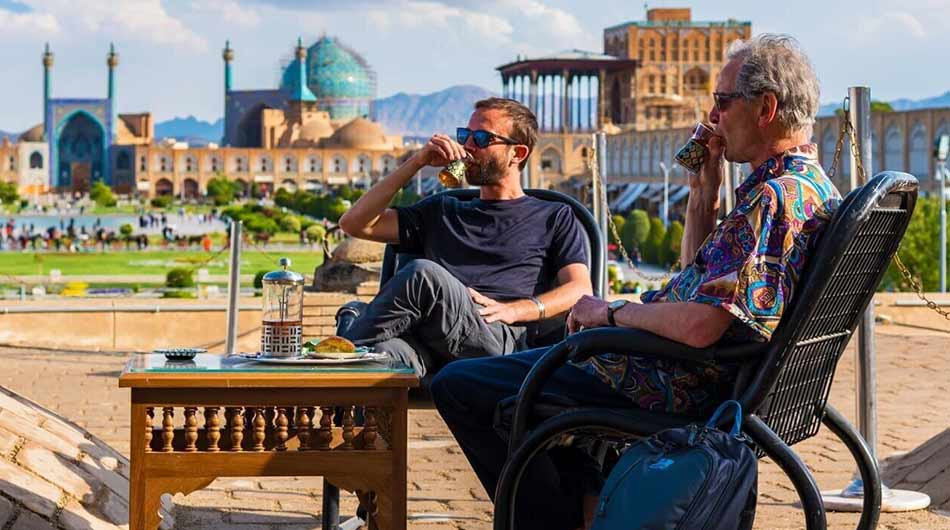
It can mean drinking tea in a historic neighborhood, walking through an old bazaar, discovering traditional architecture, talking with local people and experiencing different regions at your own pace.
The key is preparation.
Understand the local culture, prepare for payment and connectivity limitations, organize transportation sensibly, keep important information available offline and—most importantly—check the latest official travel and security information before you go.
When conditions allow travel, combining independence with smart local support can be one of the best ways to experience Iran.
Travel independently. Stay curious. And leave room for the unexpected.
Post Discussion