

Alamut Castle Becomes a UNESCO World Heritage Site in Iran
 Alamut Castle Becomes a UNESCO World Heritage Site in Iran
 Alamut Castle Becomes a UNESCO World Heritage Site in Iran
High in the rugged Alborz Mountains of northern Iran, a legendary fortress has entered a new chapter in its long history.
In 2026, Alamut Castle and Related Fortifications were inscribed on the UNESCO World Heritage List, recognizing one of Iran’s most remarkable historical landscapes as a site of Outstanding Universal Value. The UNESCO property is not limited to Alamut Castle itself. It is a serial cultural property made up of Alamut Castle and six associated fortifications, forming a wider defensive and cultural network across the Alamut Valley in Qazvin Province.
For centuries, Alamut has been surrounded by stories of mountain fortresses, political struggles, intellectual life, and the legendary figure of Hassan Sabbah. But beyond the myths, the ruins of Alamut represent something much larger: the remains of a sophisticated network that played a central role in the history of the Nizari Ismailis between the 11th and 13th centuries.
With its new UNESCO status, Alamut has become one of Iran’s most important internationally recognized cultural heritage sites.
What Has Been Added to the UNESCO World Heritage List?
One of the most important things to understand about the new UNESCO inscription is that Alamut Castle is not being recognized as an isolated monument.
The official property, named Alamūt Castle and Related Fortifications, consists of seven interconnected components:
- Alamut Castle
- Lambesar Castle
- Navizarshah Castle
- Shams Kelayeh Fortification
- Qostinlar Fortification
- Shirkouh Fortification
- Ilan Fortification
Together, these sites form a fortified landscape strategically positioned throughout the Alborz Mountains of Qazvin Province.
This wider perspective is essential to understanding why Alamut is historically significant. The castles were not simply isolated military structures. They were part of a connected system that supported defense, administration, agriculture, water management, community life, and intellectual activity.
Where Is Alamut Castle?
 Where Is Alamut Castle?
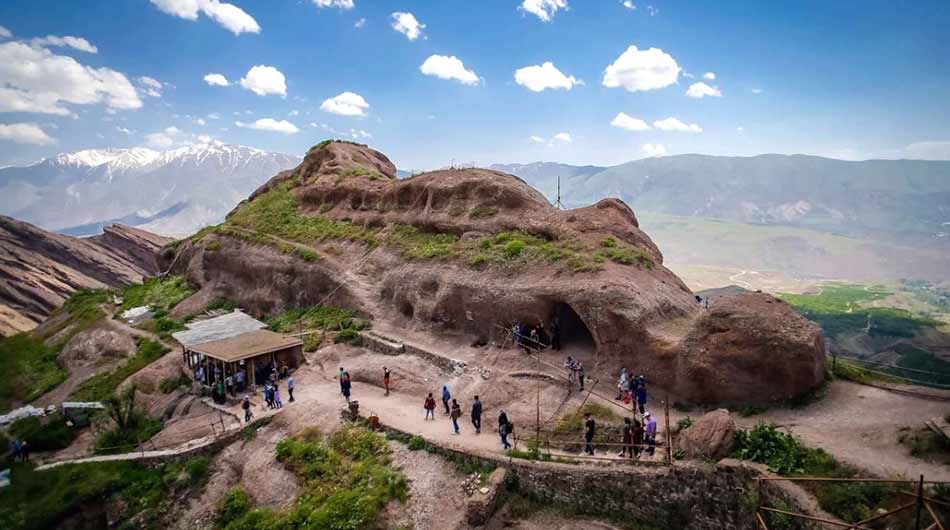
Alamut Castle is located in the Alamut Valley of Qazvin Province, in northern Iran, within the rugged landscape of the Alborz Mountains.
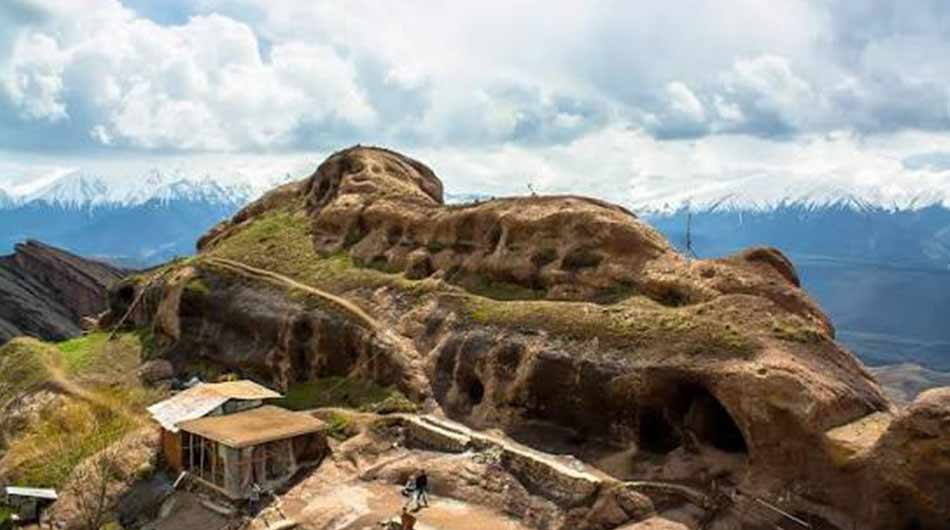
The castle stands on a dramatic rocky elevation approximately 2,163 meters above sea level, rising around 220 meters above the surrounding landscape. Its elevated position gave it a naturally formidable defensive advantage and helped shape the distinctive character of the fortress.
The surrounding landscape is just as important as the ruins themselves. Steep mountains, narrow valleys, agricultural terraces, villages, and water resources form a cultural landscape in which human settlement and defensive architecture developed together.
This combination of dramatic scenery and deep history is one of the reasons Alamut has become such a fascinating destination for travelers interested in Iran’s lesser-known historical sites.
Why Is Alamut Historically Important?
From the late 11th century, Alamut became the political, military, and intellectual center of the Nizari Ismailis, an influential Islamic movement whose network extended across Iran and other parts of the Islamic world.
The fortress served not only as a place of defense, but also as a center from which political, religious, and intellectual activities were organized.
The wider network of fortifications allowed the Nizari Ismailis to establish and maintain communities in difficult mountainous terrain. According to UNESCO’s assessment, the network reflected a cohesive system that brought together defense, administration, scholarship, agriculture, water management, and community life.
This is an important part of the story that can easily be overlooked when Alamut is reduced to its popular legends.
Alamut and Hassan Sabbah
Few names are as closely associated with Alamut as Hassan Sabbah.
In the late 11th century, Hassan Sabbah established Alamut as the center of the Nizari Ismaili movement in Iran. Over time, the fortress became closely associated with his leadership and the political and intellectual history of the community.
His connection with Alamut has helped make the castle famous far beyond Iran. However, many stories associated with Hassan Sabbah and Alamut were later embellished through historical accounts, legends, and popular literature.
The real history of Alamut is considerably more complex.
Rather than viewing the fortress only through the lens of legends about assassins and secret societies, it is more useful to understand Alamut as the center of a sophisticated political, religious, intellectual, and defensive network that survived in the Alborz Mountains for generations.
The Legend of the “Assassins” and the Reality Behind Alamut
For many international visitors, the word “Alamut” immediately brings to mind the legendary Assassins.
This association has played a major role in the castle’s modern image, particularly through medieval European accounts and later novels, films, and video games.
But the popular image of Alamut does not tell the whole story.
The Nizari Ismailis were a religious community with an organized network of fortresses and settlements. Their history involved political alliances, conflicts, intellectual traditions, and community organization.
UNESCO’s recognition focuses on this broader historical and cultural significance rather than the popular legends surrounding the castle. The World Heritage inscription specifically recognizes Alamut and its related fortifications as rare testimony to the Nizari Ismaili cultural tradition that flourished in the Alborz Mountains from the 11th to the 13th centuries.
Why Did UNESCO Recognize Alamut?
 Why Did UNESCO Recognize Alamut?
The UNESCO World Heritage Committee inscribed Alamūt Castle and Related Fortifications under Criterion (iii).
In UNESCO’s terminology, this criterion recognizes properties that provide an exceptional testimony to a cultural tradition or civilization.
In the case of Alamut, the seven fortifications collectively provide rare evidence of the Nizari Ismaili cultural tradition and the social, political, religious, and intellectual system that developed in the Alborz Mountains.
The property also demonstrates how the Nizari Ismailis adapted to a challenging mountainous environment through the strategic use of fortifications, agricultural terraces, water systems, and local resources.
In other words, UNESCO did not recognize Alamut simply because it is an old castle.
It recognized an entire historical landscape and cultural system.
The Seven Fortifications of the Alamut World Heritage Site
The newly recognized UNESCO property includes seven component sites distributed across the Alamut region.
1. Alamut Castle
The centerpiece of the property is Alamut Castle, dramatically positioned on a high rocky ridge. Its strategic location made it one of the most famous fortresses associated with the Nizari Ismailis.
2. Lambesar Castle
Located within the broader Alamut region, Lambesar was another major stronghold in the Nizari Ismaili defensive network.
3. Navizarshah Castle
Navizarshah forms another component of the interconnected fortified system that protected and supported communities across the region.
4. Shams Kelaye Fortification
This fortification represents another element of the wider network of strategically positioned strongholds.
5. Qostinlar Fortification
Qostinlar is one of the smaller components of the serial property, contributing to the understanding of the wider defensive landscape.
6. Shirkouh Fortification
Shirkouh forms part of the network of fortifications distributed throughout the Alamut landscape.
7. Ilan Fortification
Ilan completes the seven-component UNESCO property, helping demonstrate the geographic scale and interconnected nature of the historical network.
Together, these seven sites tell a much larger story than any single castle could tell on its own.
Alamut: Where History Meets the Alborz Mountains
One of the most striking aspects of visiting Alamut is the relationship between the historical ruins and the surrounding landscape.
The castles were built in places where mountains, cliffs, valleys, and natural barriers could provide strategic advantages. The landscape was not simply a backdrop to the fortresses; it was an essential part of their defensive and economic system.
UNESCO describes the property as a fortified system integrated into the rugged landscape of the Alborz Mountains. The surrounding region also contains villages, agricultural lands, water resources, and archaeological remains connected to the historical development of the area.
For travelers, this makes Alamut particularly different from a conventional archaeological site.
Here, the journey through the landscape is part of the experience.
What Happened to Alamut Castle?
The Nizari Ismaili stronghold at Alamut eventually fell in 1256, during the Mongol invasions.
The fall of Alamut marked a major turning point in the history of the Nizari Ismailis in Iran. However, the cultural and intellectual legacy of the community continued beyond the destruction of the fortress.
UNESCO notes that the influence of the Nizari Ismaili tradition continued well beyond the fall of Alamut, making the site significant not only for its physical remains but also for the historical legacy associated with it.
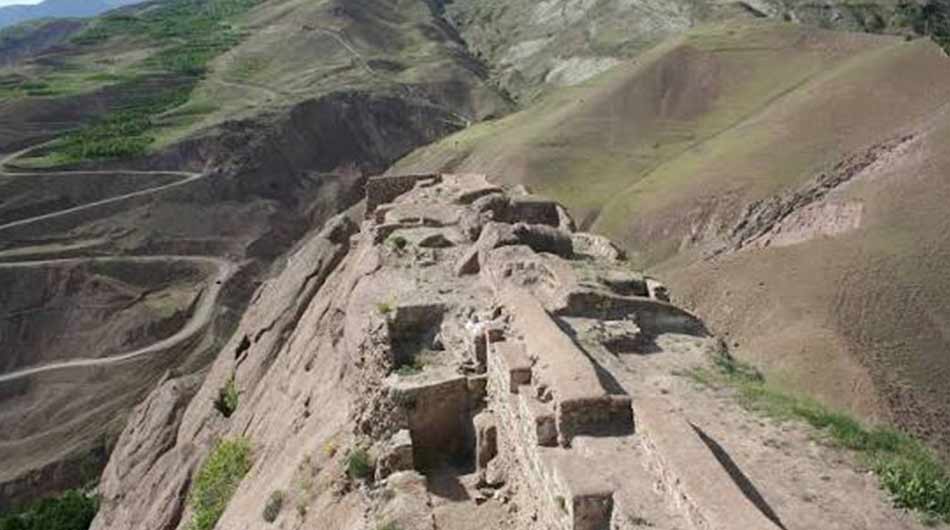
Today, what remains at Alamut is largely archaeological. Surviving walls and other remains, including traces of underground water and food-supply systems, help researchers reconstruct the organization of the historic fortress.
What Does UNESCO Status Mean for Alamut?
The UNESCO designation places Alamut among Iran’s internationally recognized World Heritage properties.
According to UNESCO’s current World Heritage listing, Iran now has 30 properties inscribed on the World Heritage List, with Alamut joining a remarkable collection of Iranian cultural and natural heritage sites.
But UNESCO status is about more than international recognition.
It also highlights the importance of protecting the archaeological remains, landscape, and cultural values of the site for future generations.
For Alamut, this is particularly important because the value of the property lies not only in the surviving castle walls but in the relationship between the seven fortifications, the surrounding landscape, archaeological remains, and the historical communities that supported them.
Is Alamut Worth Visiting?
Absolutely.
For travelers interested in Iranian history, archaeology, mountain landscapes, ancient fortresses, and cultural heritage, Alamut offers an experience that is very different from visiting Iran’s better-known destinations such as Persepolis or Isfahan.
The combination of dramatic mountain scenery and the story of one of the most fascinating political and intellectual centers of medieval Iran makes the Alamut Valley a compelling destination.
And now that Alamut Castle and Related Fortifications have become a UNESCO World Heritage Site, international interest in the region is likely to grow.
For travelers planning a visit, however, it is important to remember that Alamut is an archaeological landscape in a mountainous region rather than a restored medieval castle. Visiting requires planning, appropriate transportation, and attention to local conditions.
Alamut Castle: A New Chapter in an Ancient Story
For centuries, Alamut has existed somewhere between history and legend.
Its name has appeared in medieval chronicles, historical studies, novels, films, and popular culture. Yet behind all those stories stands a real landscape of mountains, fortifications, villages, agricultural terraces, water systems, and archaeological remains.
The 2026 UNESCO inscription offers an opportunity to look at Alamut from a broader perspective.
It is not simply the legendary castle of Hassan Sabbah.
It is a remarkable cultural landscape that preserves evidence of the Nizari Ismaili tradition and the sophisticated system that allowed its communities to survive and flourish in the Alborz Mountains.
Today, Alamut has officially joined the world’s most important heritage sites.
And for anyone looking to discover a different side of Iran, this ancient mountain fortress may be one of the country’s most fascinating stories waiting to be explored.
Frequently Asked Questions About Alamut Castle
 Frequently Asked Questions About Alamut Castle
Is Alamut Castle a UNESCO World Heritage Site?
Yes. In 2026, Alamūt Castle and Related Fortifications were inscribed on the UNESCO World Heritage List. The property includes Alamut Castle and six associated fortifications in Qazvin Province, Iran.
How many Alamut fortifications are included in the UNESCO site?
The UNESCO property consists of seven component sites: Alamut Castle, Lambesar, Navizarshah, Shams Kelayeh, Qostinlar, Shirkouh, and Ilan.
Where is Alamut Castle located?
Alamut Castle is located in the Alamut Valley of Qazvin Province in northern Iran, within the Alborz Mountains. The castle stands at approximately 2,163 meters above sea level.
Who was Hassan Sabbah?
Hassan Sabbah was a major historical figure associated with the Nizari Ismailis and the establishment of Alamut as their political and intellectual center in Iran during the late 11th century.
Why is Alamut important?
Alamut is important because it provides evidence of the Nizari Ismaili cultural tradition and the political, religious, intellectual, defensive, and agricultural system that developed in the Alborz Mountains between the 11th and 13th centuries.
When did Alamut fall?
Alamut fell in 1256 during the Mongol invasion.
Is Alamut Castle worth visiting?
Yes. Alamut combines medieval history, archaeology, dramatic mountain scenery, and one of the most fascinating historical stories in Iran. It is particularly appealing to travelers interested in cultural heritage and off-the-beaten-path destinations.
The inscription of Alamut Castle and its related fortifications on the UNESCO World Heritage List is more than an international title.
It is recognition of a remarkable chapter in Iran’s history — a story written not only in stone walls and mountain fortresses, but also in the landscape, communities, ideas, and traditions that surrounded them.
Alamut is no longer simply a legendary fortress in the mountains of Iran. It is now officially part of the world’s shared cultural heritage.
Quick Facts About Alamut
Official UNESCO name: Alamūt Castle and Related Fortifications
Location: Qazvin Province, Iran
Region: Alborz Mountains
Inscription: 2026
UNESCO category: Cultural
UNESCO criterion: (iii)
Number of component sites: 7
Associated historical tradition: Nizari Ismaili
Elevation of Alamut Castle: approximately 2,163 m above sea level
Fall of Alamut: 1256 CE
Tags:Alamut castle, Alamut Castle history, Alamut Castle Iran, Alamut Castle travel guide, Alamut Castle UNESCO, Alamut fortifications, Alamut Iran, Alamut tourism, Alamut UNESCO, Alamut Valley, Alamut Valley Iran, Alamut World Heritage Site, ancient castles in Iran, castles of Alamut, Hassan Sabbah, Hassan Sabbah Castle, historical castles in Iran, history of Alamut Iran, Iranian World Heritage Sites, Nizari Ismaili heritage, Nizari Ismailis, things to know about Alamut Castle, UNESCO sites in Iran, UNESCO World Heritage Iran, visiting Alamut Castle, درنا گشت
Post Discussion